Our Accessible Housing — Phases I, II & III | GPRS

Our Mission: “To provide affordable and accessible housing for the physically disabled”.

GPRS Accessible and Barrier Free Housing

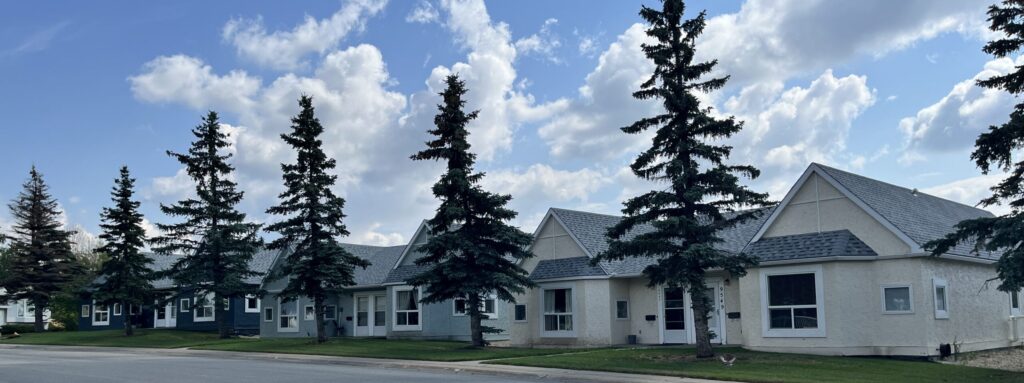
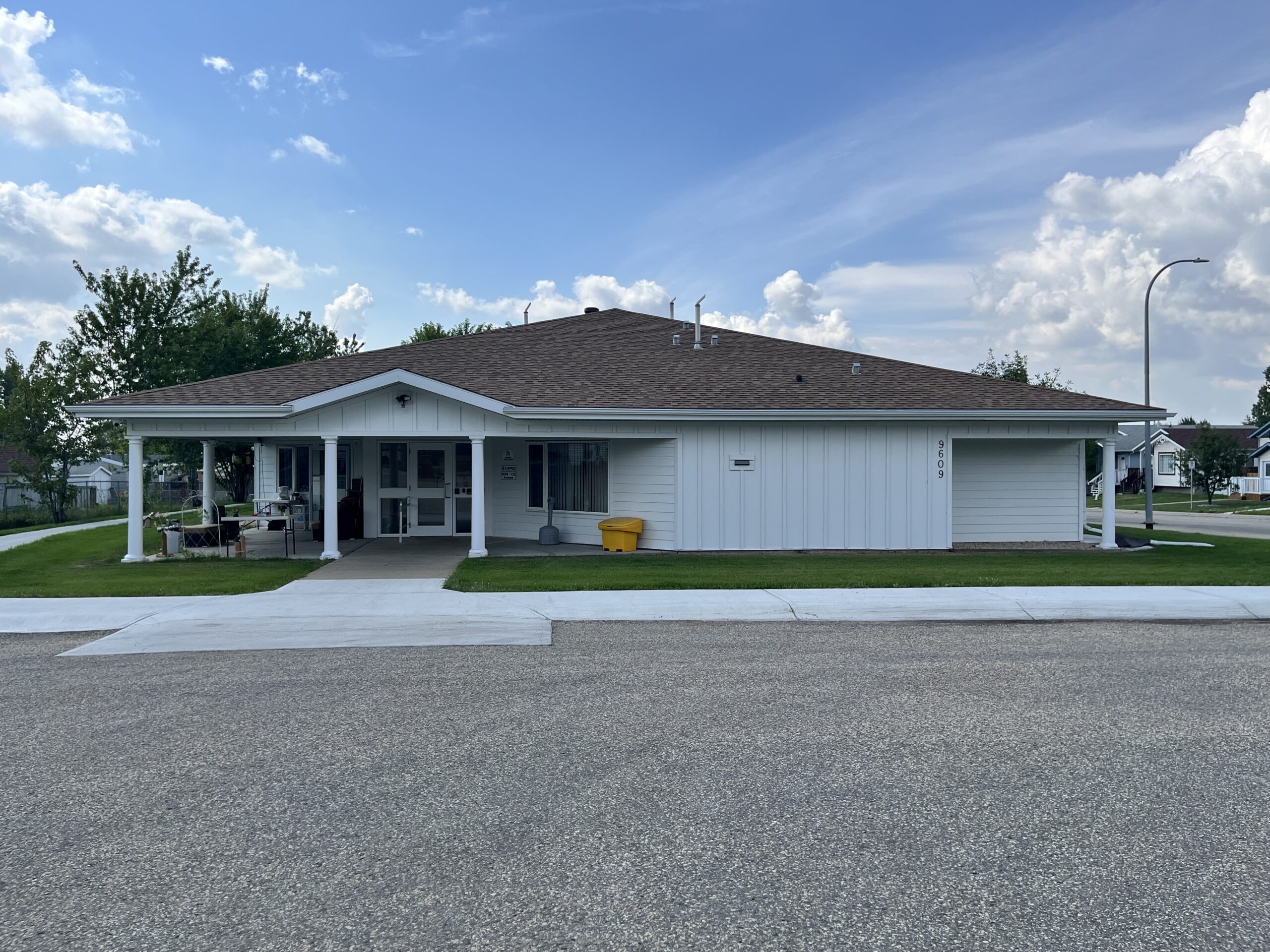
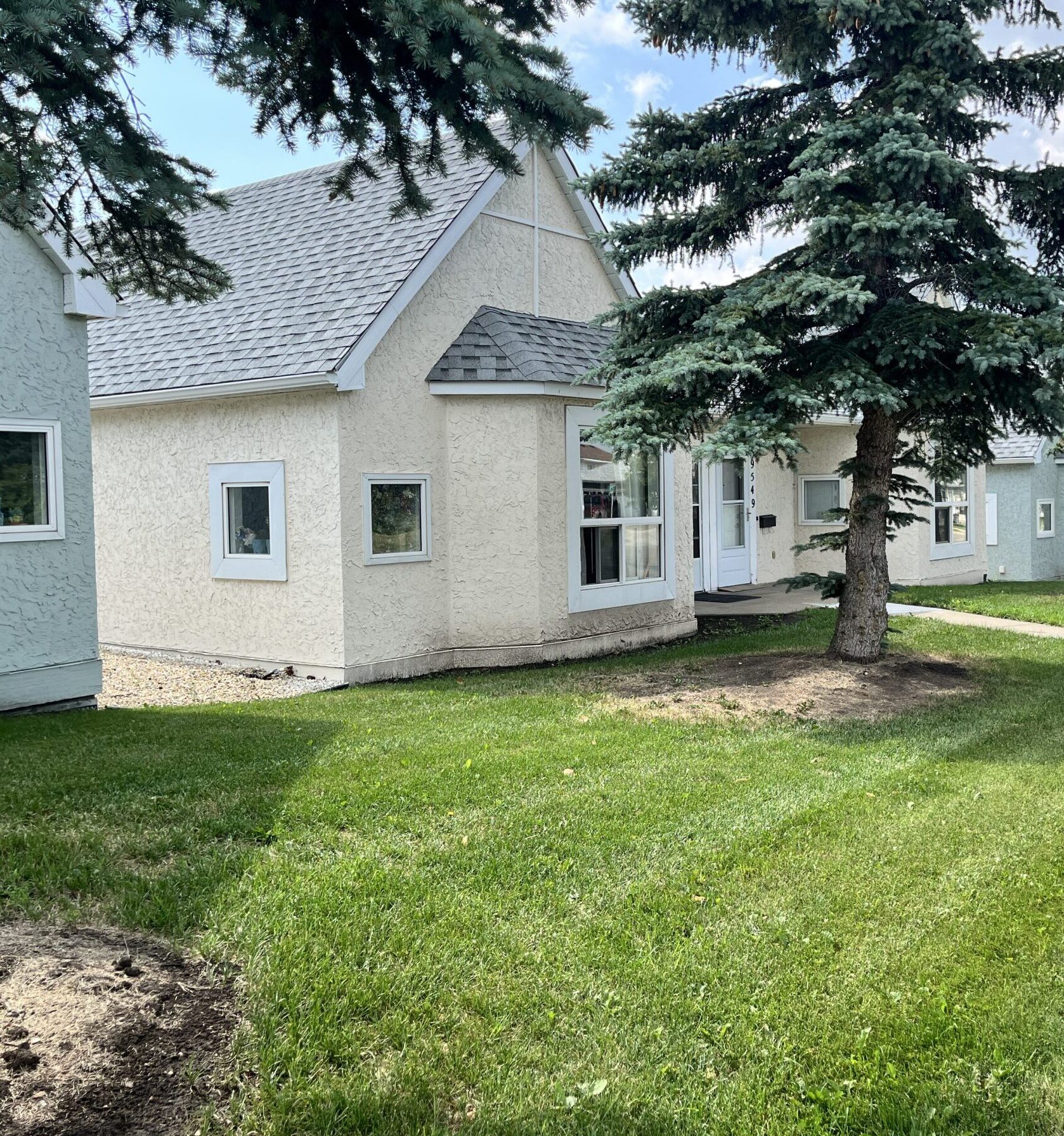
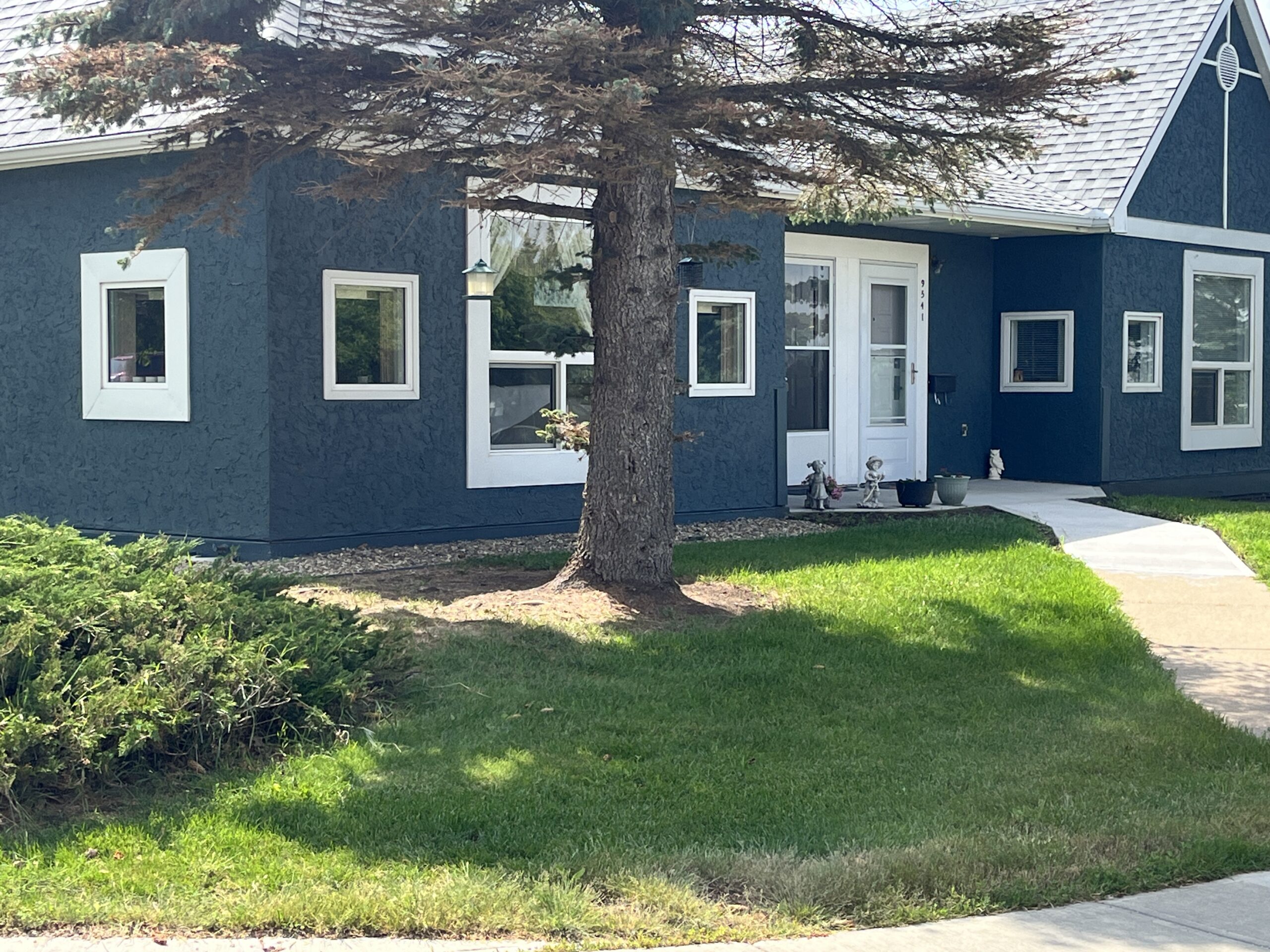
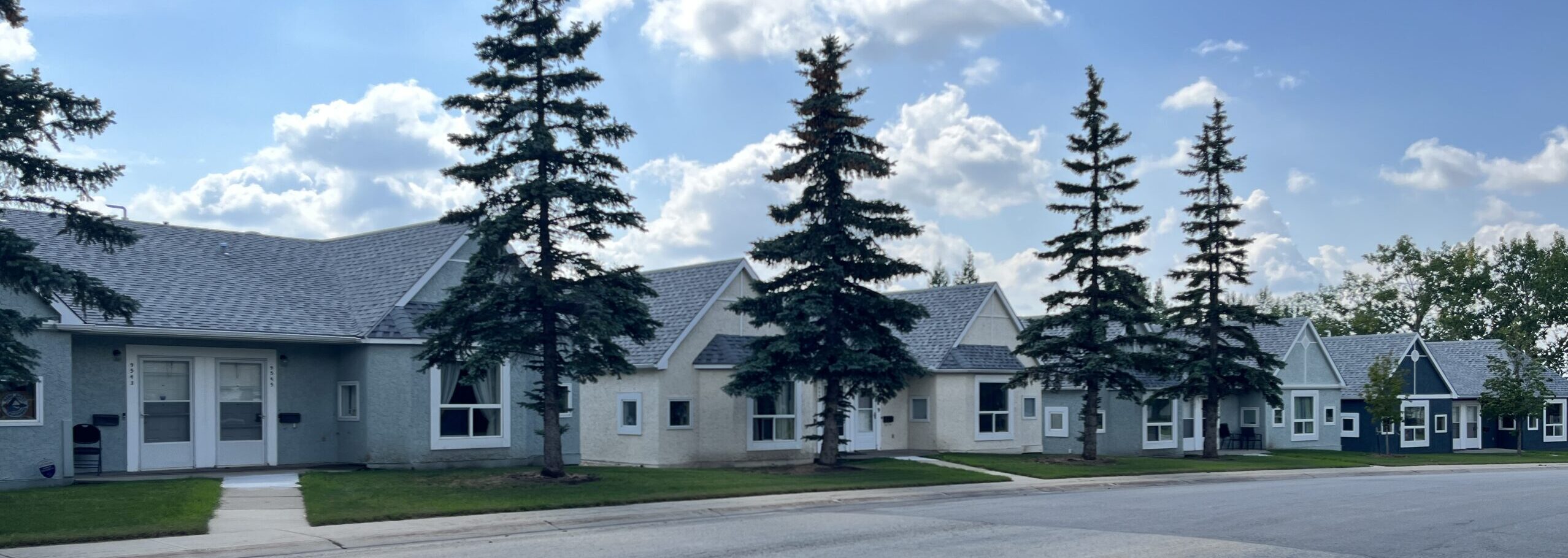
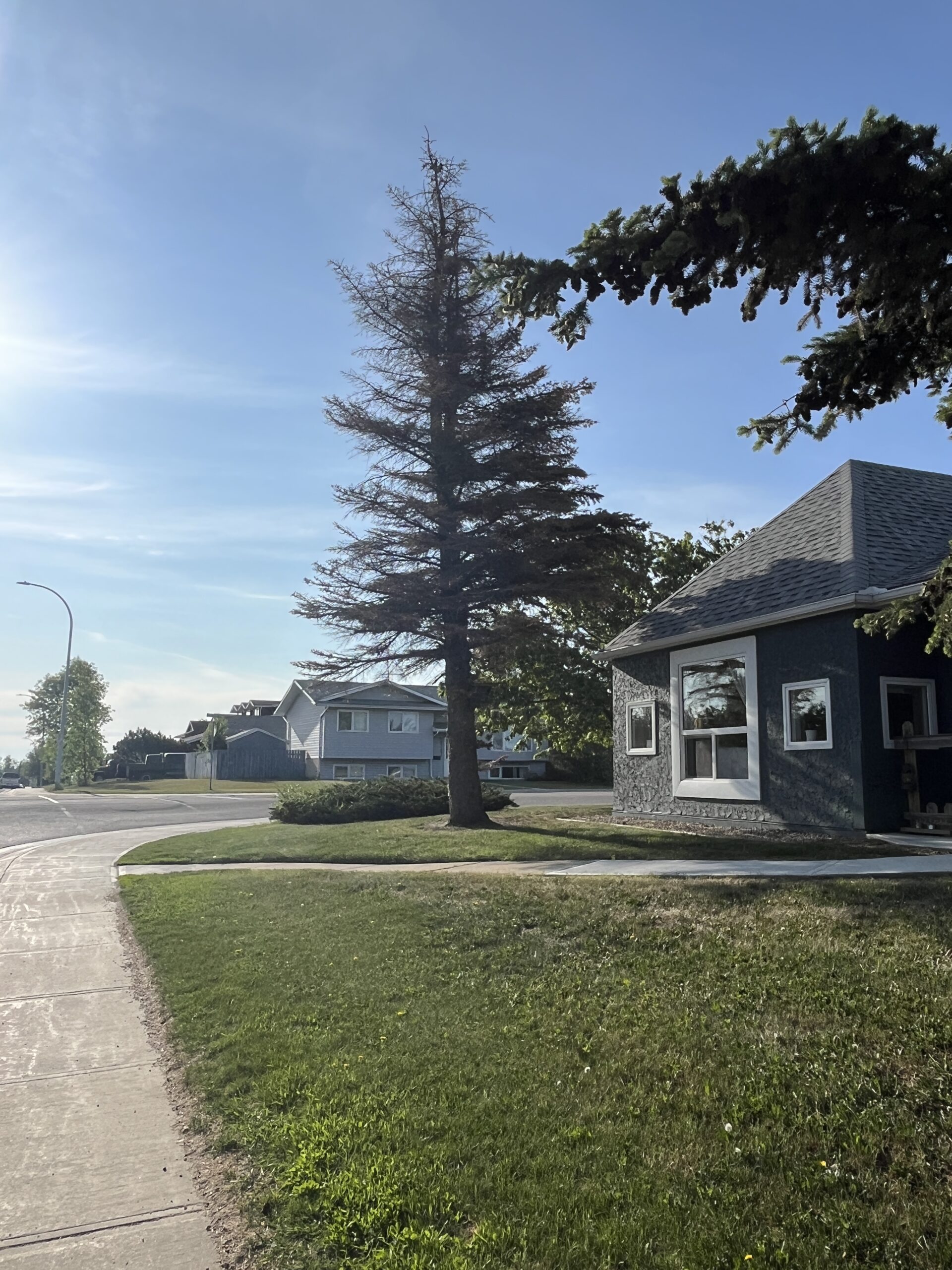
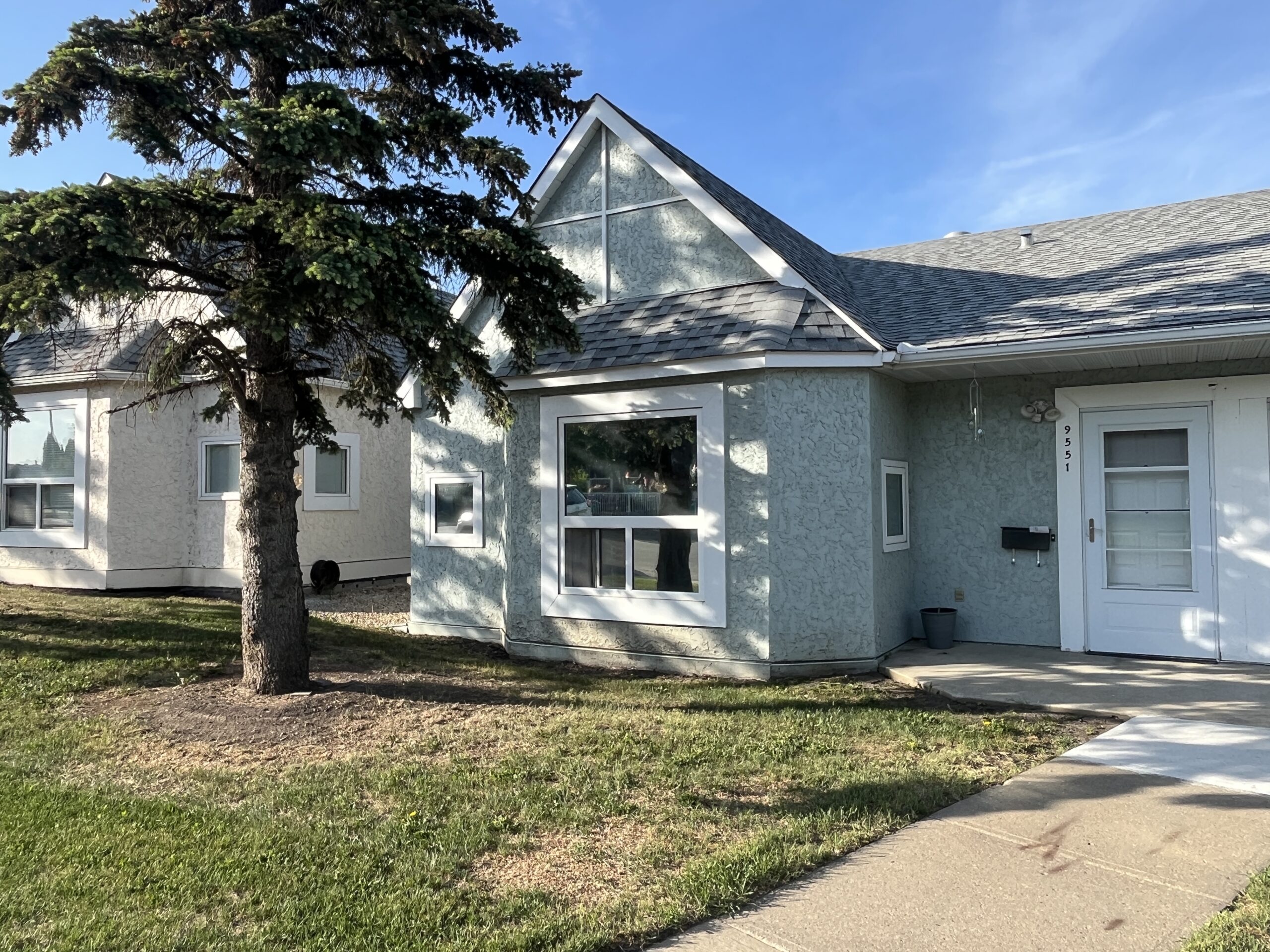
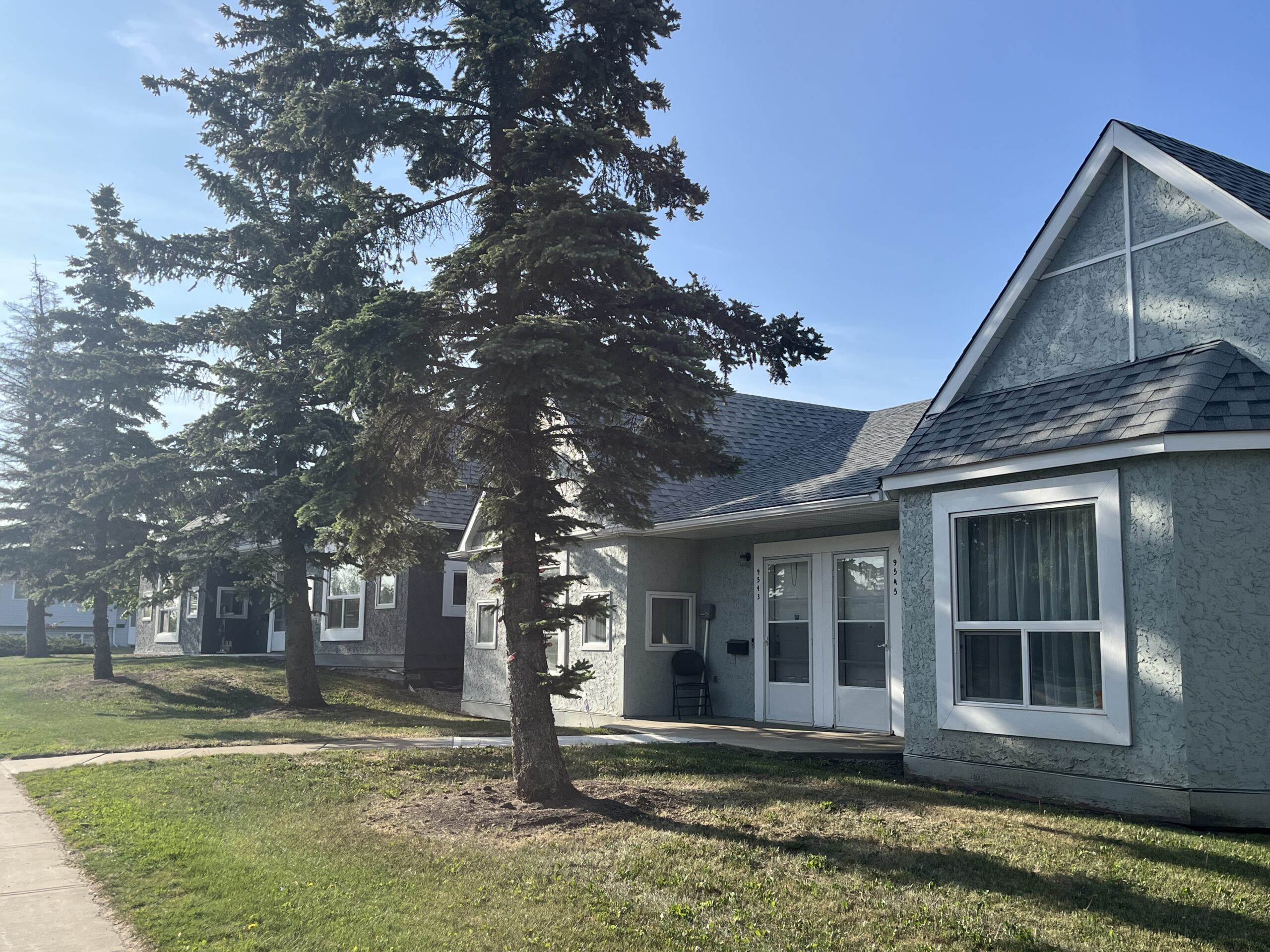
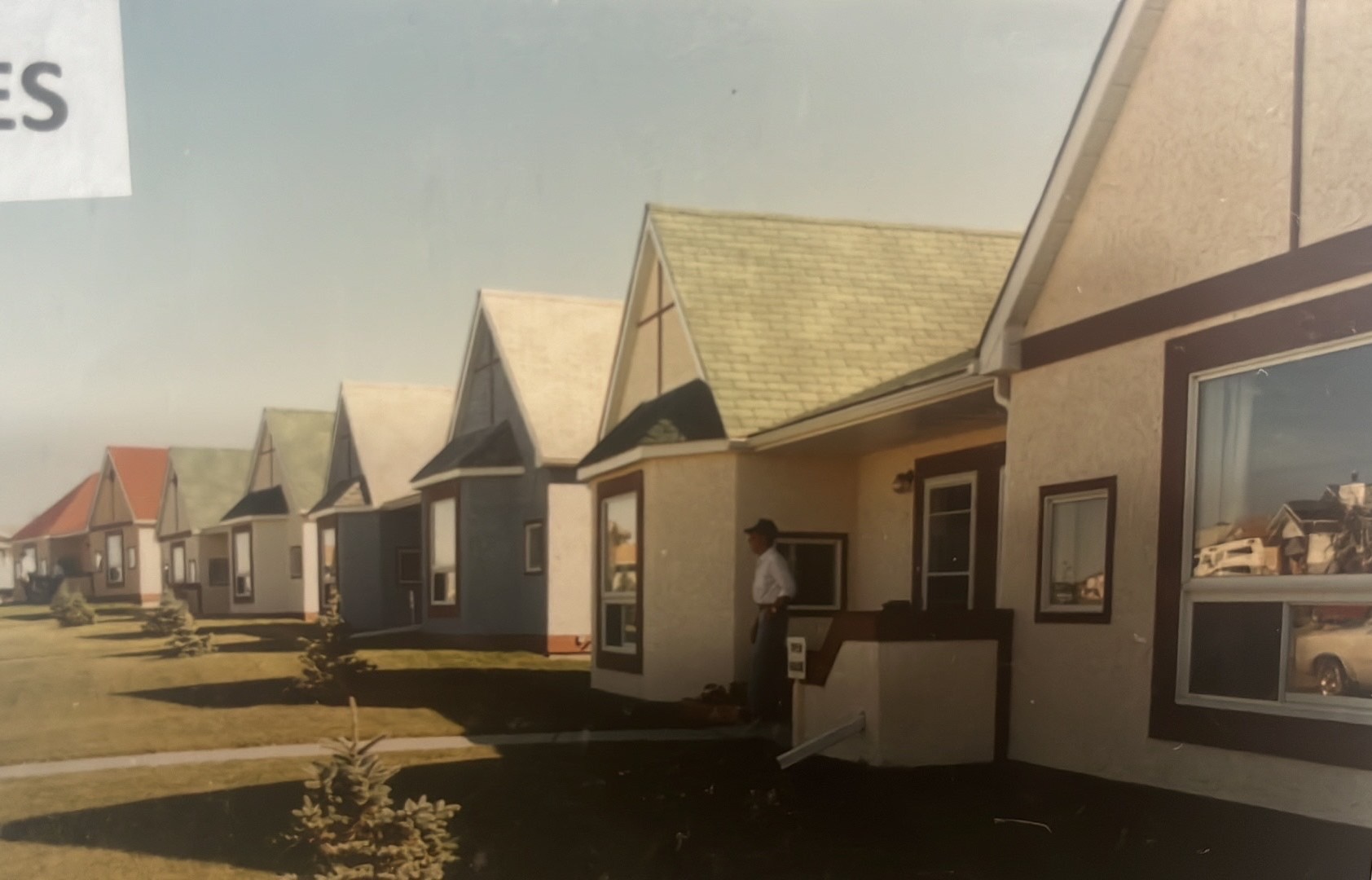
Single-storey residential units with pitched roofs and mature trees along the sidewalk

If applicants require personal support services, they must have their needs assessed and have a plan in place to obtain the needed services, before acceptance into the units.

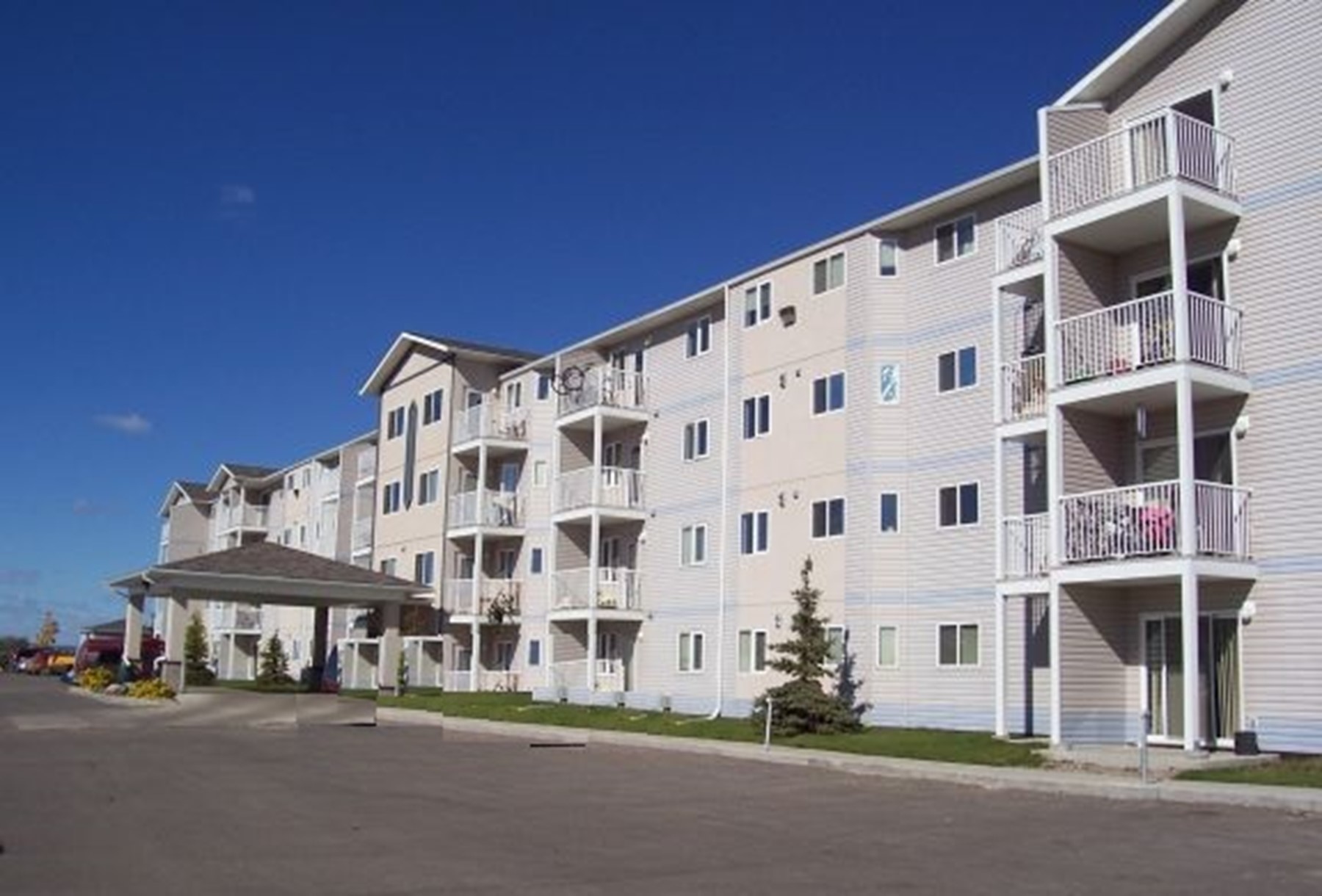
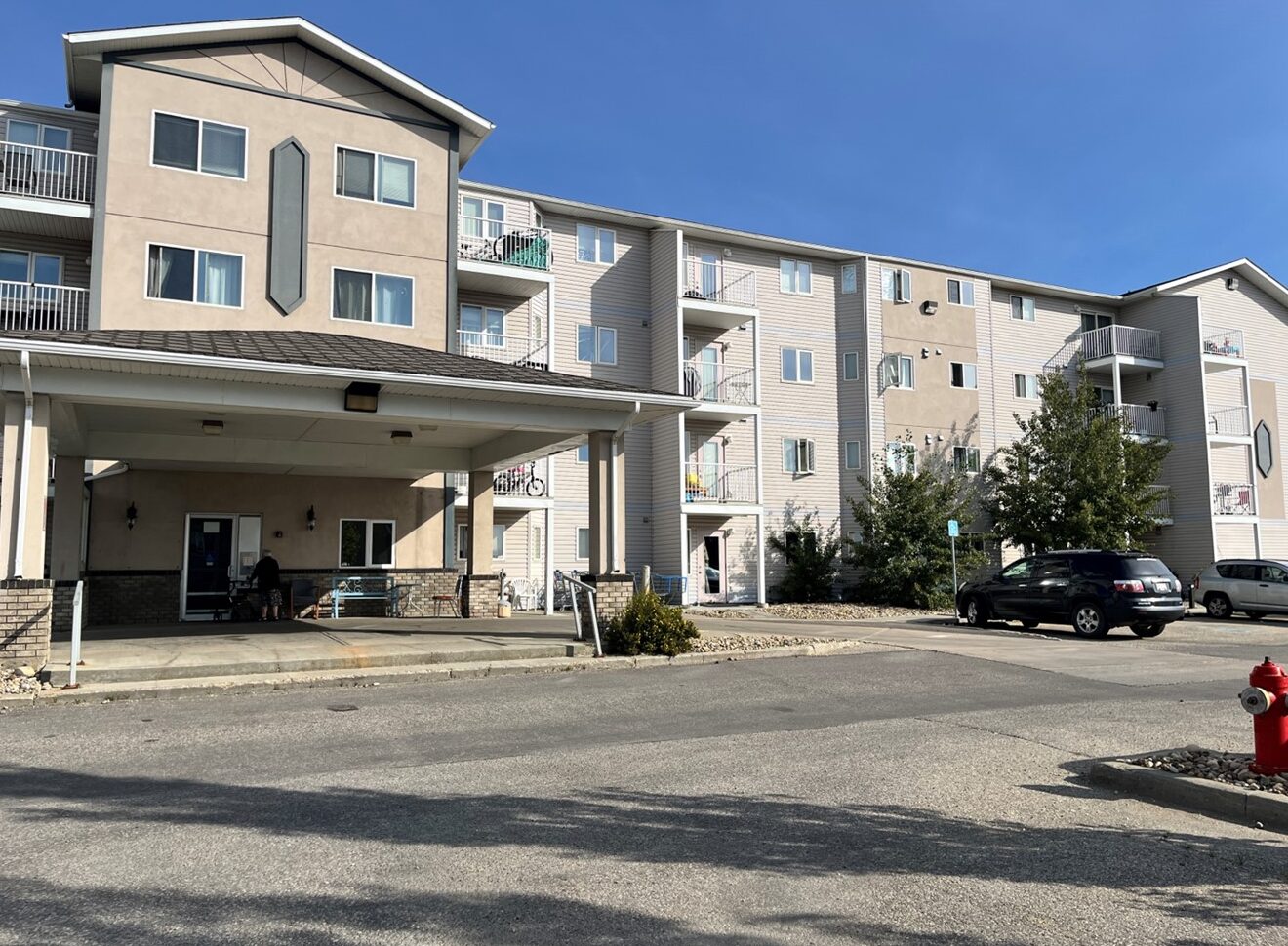
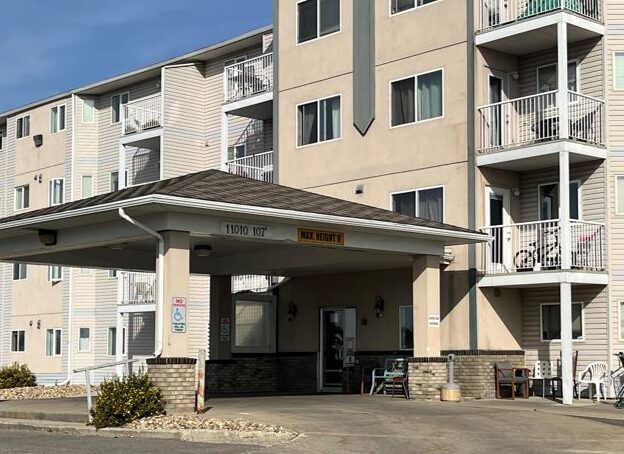
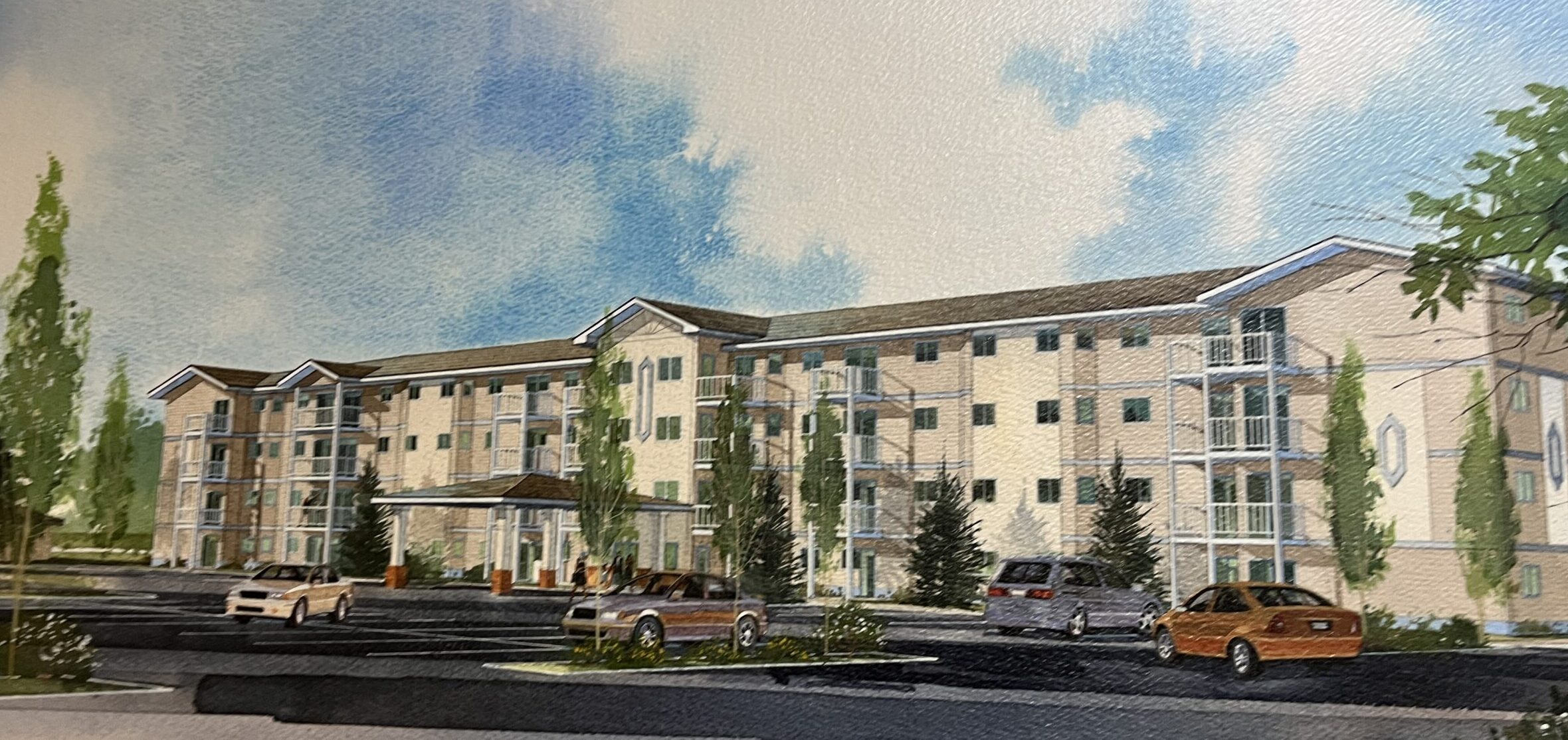
4 story apartment building's front entrance on sunny day

Applicants must have a physical disability that impairs their mobility.  Priority will be given to those who use wheelchairs and require wheelchair accessibility.

Applicants must meet income criteria as set out by GPRS and must be willing to enter into a landlord-tenant agreement with the Society.

Phase I - Crystal Ridge Duplexes

Single-storey residential units with pitched roofs and mature trees along the sidewalk
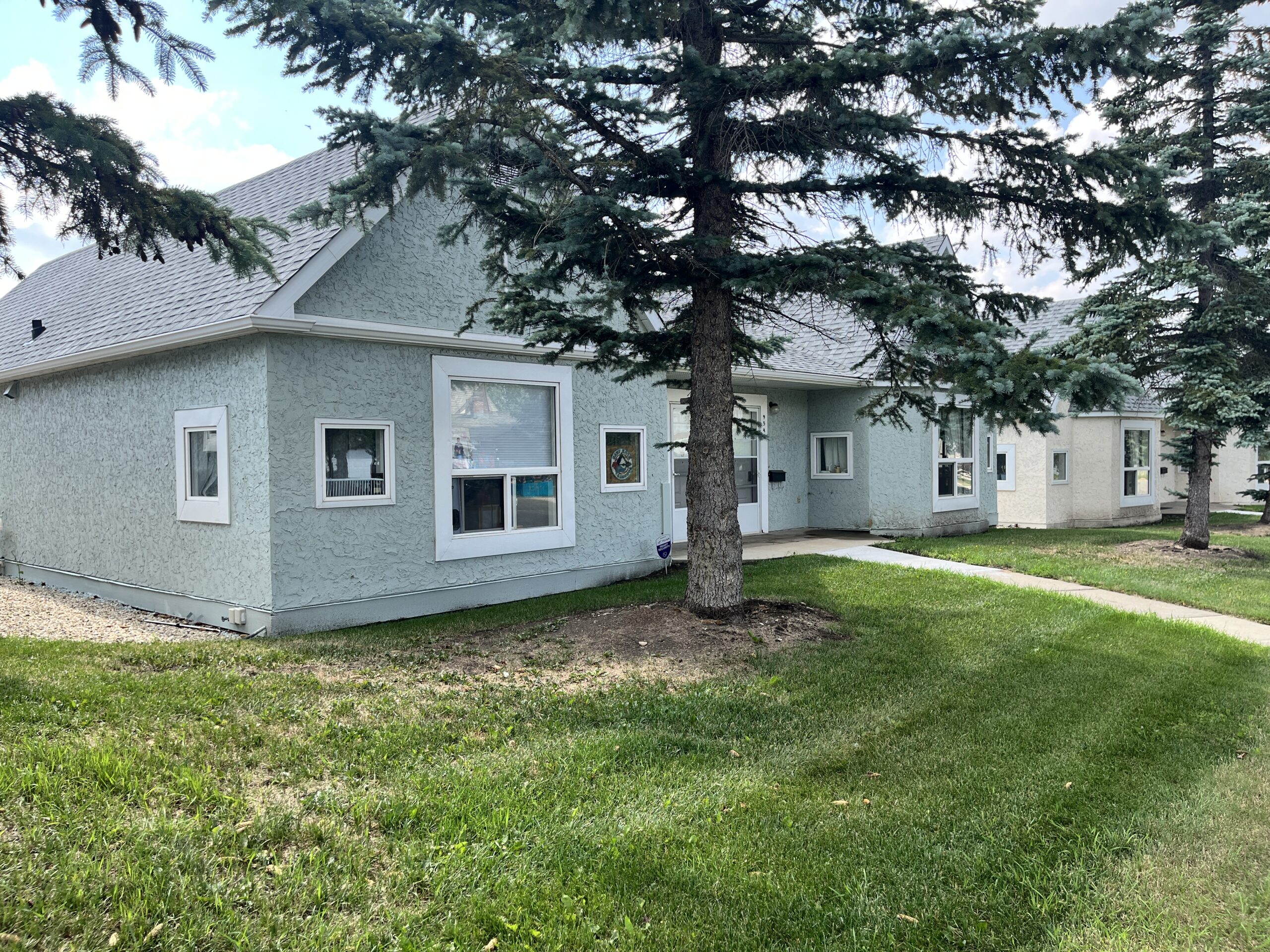
The front doors of one of the pinkish painted duplexes

When the Grande Prairie Residential Society first opened the doors to its accessible duplexes, it marked far more than the completion of a construction project—it signaled the beginning of a new chapter in dignity, independence, and opportunity for people with physical disabilities in our community.

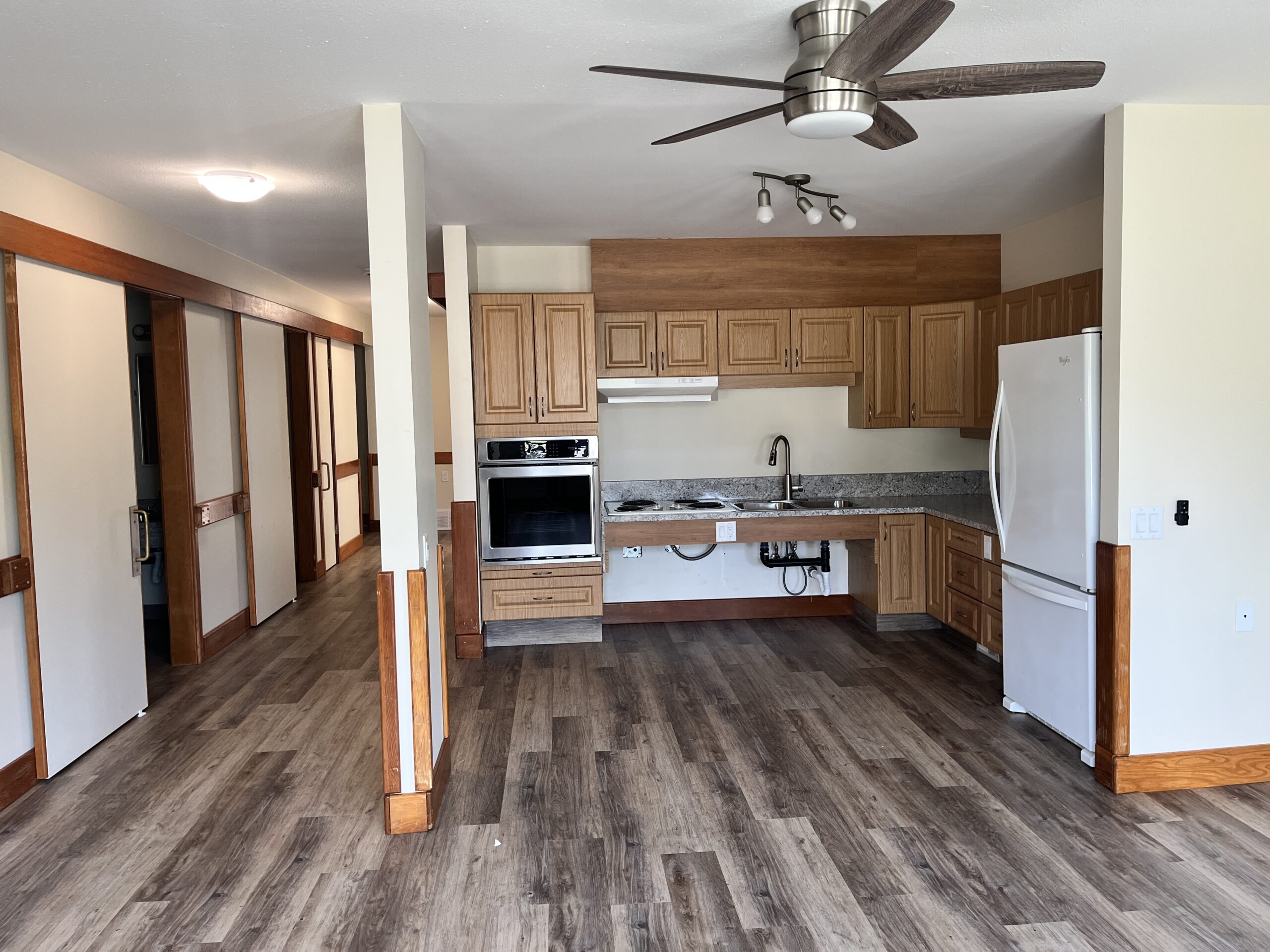
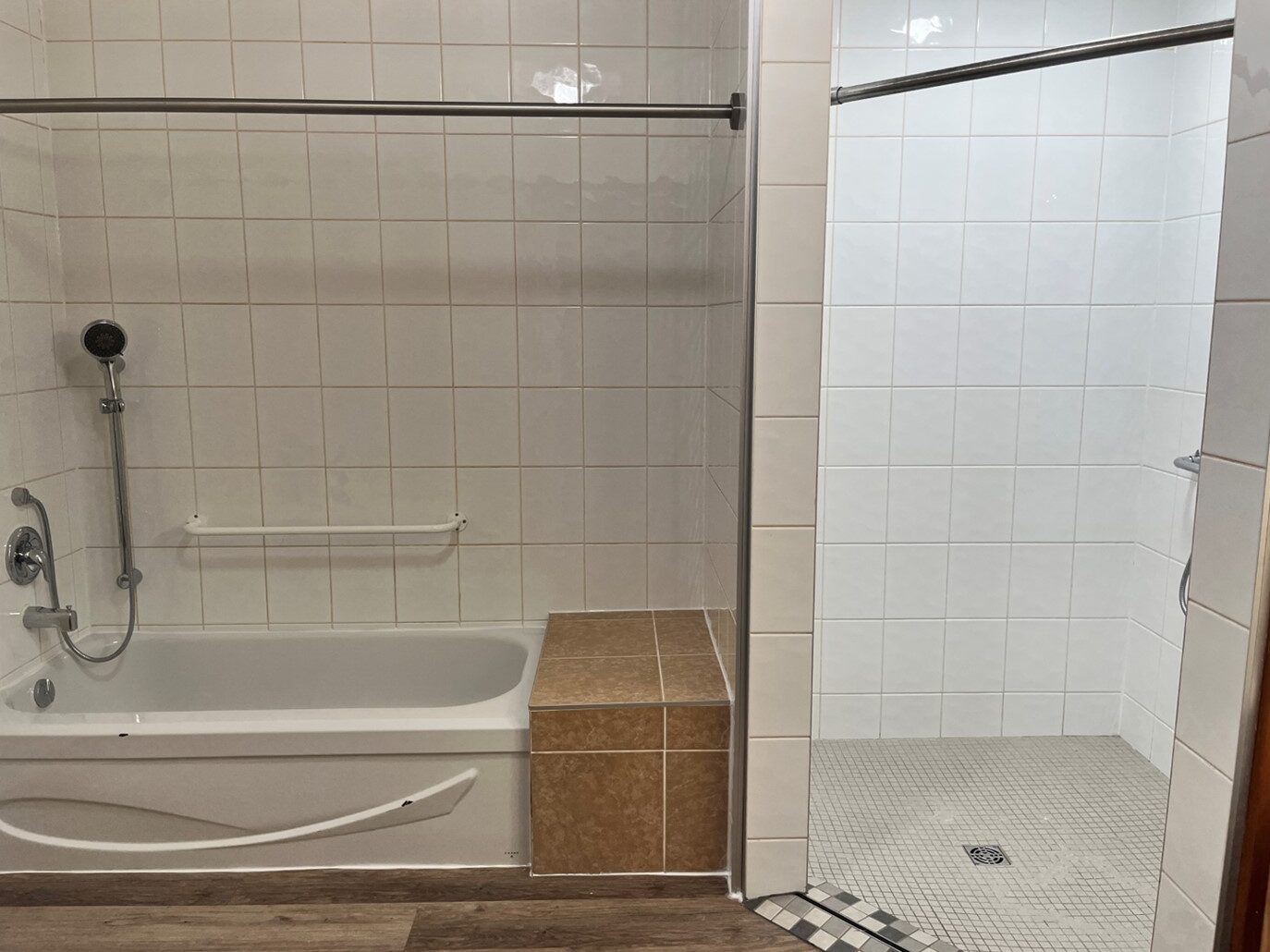
These duplexes were designed with a simple yet powerful vision: that every person, regardless of physical ability, deserves a safe, affordable, and welcoming place to call home. Wide hallways, barrier-free layouts, accessible bathrooms, and thoughtful design details were chosen not just for function, but to offer residents a sense of comfort and confidence in their daily lives. From the beginning, these homes stood as a testament to what is possible when compassion meets careful planning.

Single-storey residential units with pitched roofs and mature trees along the sidewalk

Over the years, these duplexes have become more than housing. They have been places where friendships formed, where independence flourished, and where residents could live with pride, knowing their homes were built with their needs at the heart of every decision. For many, the duplexes represented the first time they had a home truly designed for them, offering freedom of movement and the reassurance that they could live safely and comfortably.

The opening of the original GPRS duplexes remains one of the Society’s proudest achievements—a moment when Grande Prairie came together to support its most vulnerable citizens and created a lasting legacy of care, accessibility, and community spirit. These homes stand as a reminder that when we invest in inclusion, we build not only stronger neighborhoods, but stronger futures.

Phase II - Crystal Ridge 7-Plex

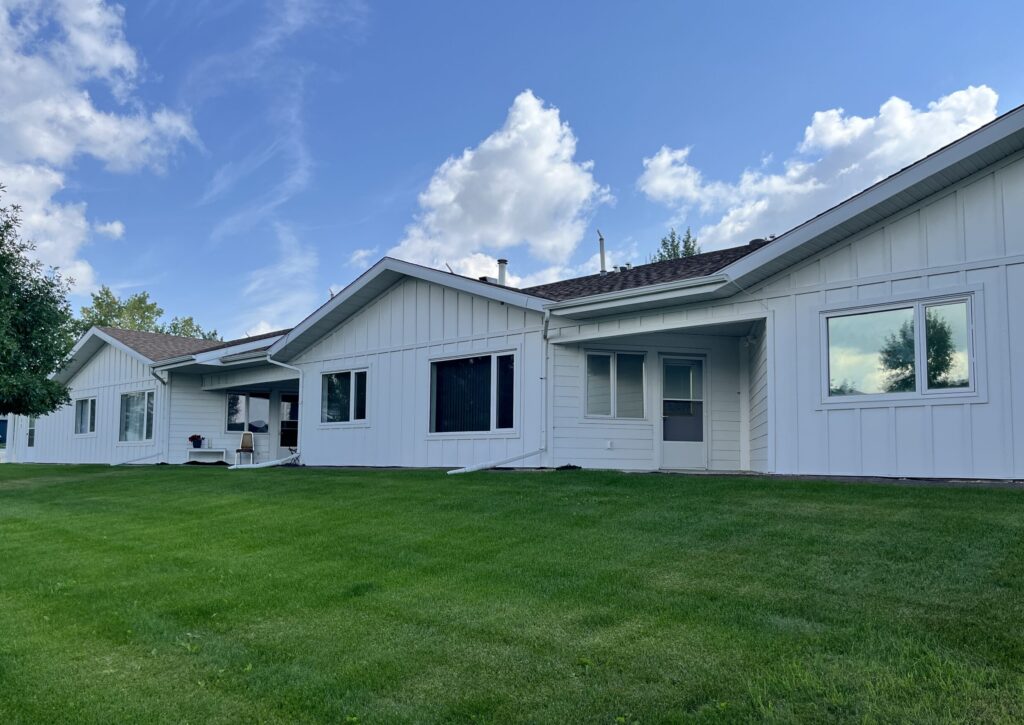
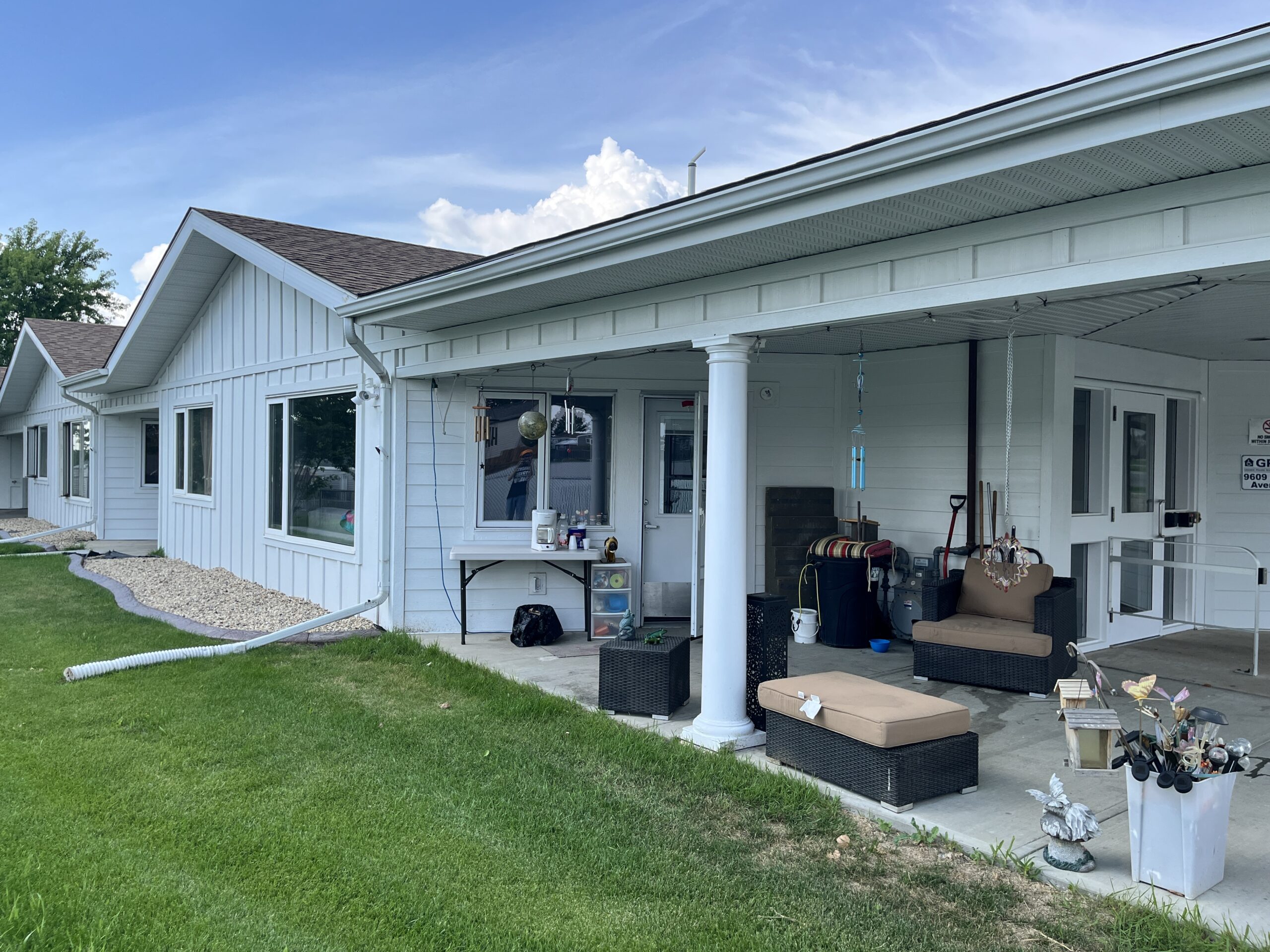
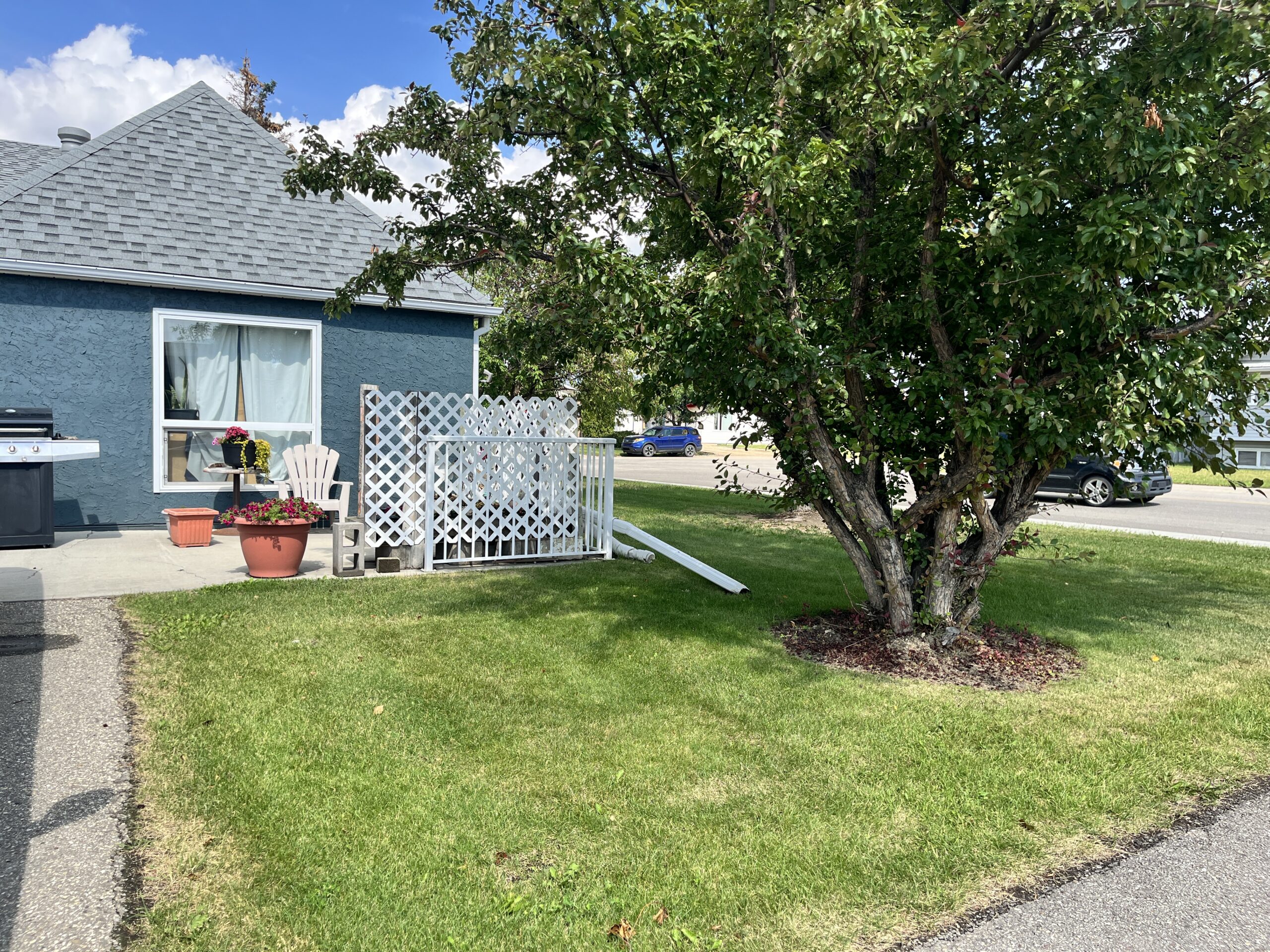
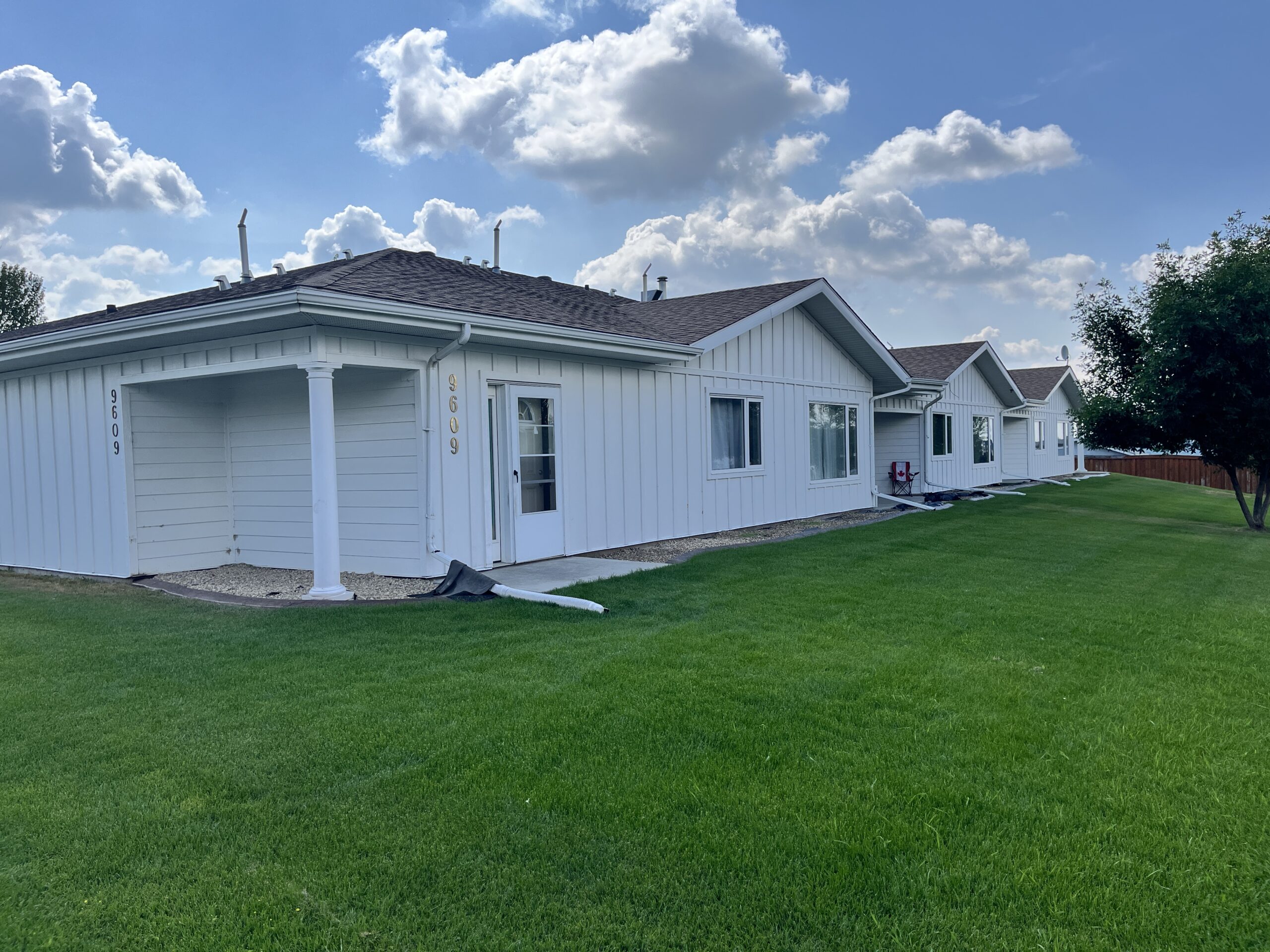
Single story Residential building

Expanding a Vision of Accessible, Affordable Living

As the success of the original GPRS duplexes became clear, so too did the growing need for additional accessible, affordable homes. Phase II—the construction of the original 6-Plex was born from this understanding and from a deep commitment to serving those who face barriers to safe, reliable housing. It represented the next step in a long-term vision: a community where people with physical disabilities could live independently, confidently, and with dignity.

In the early 2000’2 some space was made for a 7th suite and it became known as the 7-Plex

From in its earliest planning stages, the 6-Plex was designed not simply as an expansion, but as enhancement of the Society’s mission. The building was carefully crafted to blend accessibility with affordability, offering more spacious layouts, modernized design, and barrier-free features tailored to the needs of residents. Its centralized structure created a sense of connection and shared community, while still offering the privacy and autonomy of individual suites.

When Phase II opened, it reflected not just architectural progress but a growing movement in Grande Prairie—one that recognized the importance of inclusive housing. The new suites allowed residents to live in homes that respected their mobility needs while giving them freedom, safety, and peace of mind. For many, moving into the 6-Plex meant finally having a home where they could thrive rather than struggle with environments not built for them.

Phase III - Margaret Edgson Manor

“Margaret Edgson believed that people with disabilities should live as part of the community — not apart from it.”
Three interlocking puzzle pieces held by hands

In 2005, Margaret Edgson Manor opened the doors to 16 wheelchair accessible units and 54 regular suites. Grande Prairie Residential Society joined with the City of Grande Prairie’s Global Housing Initiative, in a unique partnership, to give affordable housing to meet a variety of needs. All units have two bedrooms, and the barrier free suites are equipped with similar features to our first two phases.  Margaret Edgson Manor is a sustainable housing project, with no government assistance to run. 

The building was named for Margaret Edgson, who was a strong advocate for transportation and housing for people with disabilities.  Her estate contributed significantly to the project.

Behind its doors are people who needed a safe place to land — sometimes briefly, sometimes for years — while they rebuilt stability in their lives. Some residents arrived after long hospital stays, needing a home where doors were wide, counters were reachable, and daily life could resume with dignity. Others came during financial hardship, when affordable rent meant choosing groceries over arrears, or breathing room instead of constant stress.

For many, this was the first time housing worked with them instead of against them.

The design of the building reflects that reality. Barrier-free suites allow people to live independently, not in isolation. Family units offer room to grow, heal, and move forward. Elevators, accessible layouts, and adaptable spaces mean that residents are not forced to move simply because their circumstances change.

Just as important as the physical design is what the building represents. Margaret Edgson Manor was conceived during a broader shift in thinking — away from segregated or institutional living, and toward inclusive housing that places people in the fabric of the community. Here, residents live alongside families, seniors, and individuals from all walks of life. Disability and affordability are not hidden away; they are acknowledged and accommodated as part of real life.

Over the years, the Manor has quietly supported hundreds of people through transitions. Some stayed long-term, building a sense of home and belonging. Others used the stability it offered to get back on their feet — returning to work, re-entering the rental market, or moving closer to family. Each story is different, but the common thread is dignity.

4 story apartment building front entrance exterior

This is what inclusive housing looks like when it works. Not charity. Not segregation. Just a community making room for people when they need it most.

GP Residential Society Photo Gallery

GP Residential Society Construction/Renos/Repairs

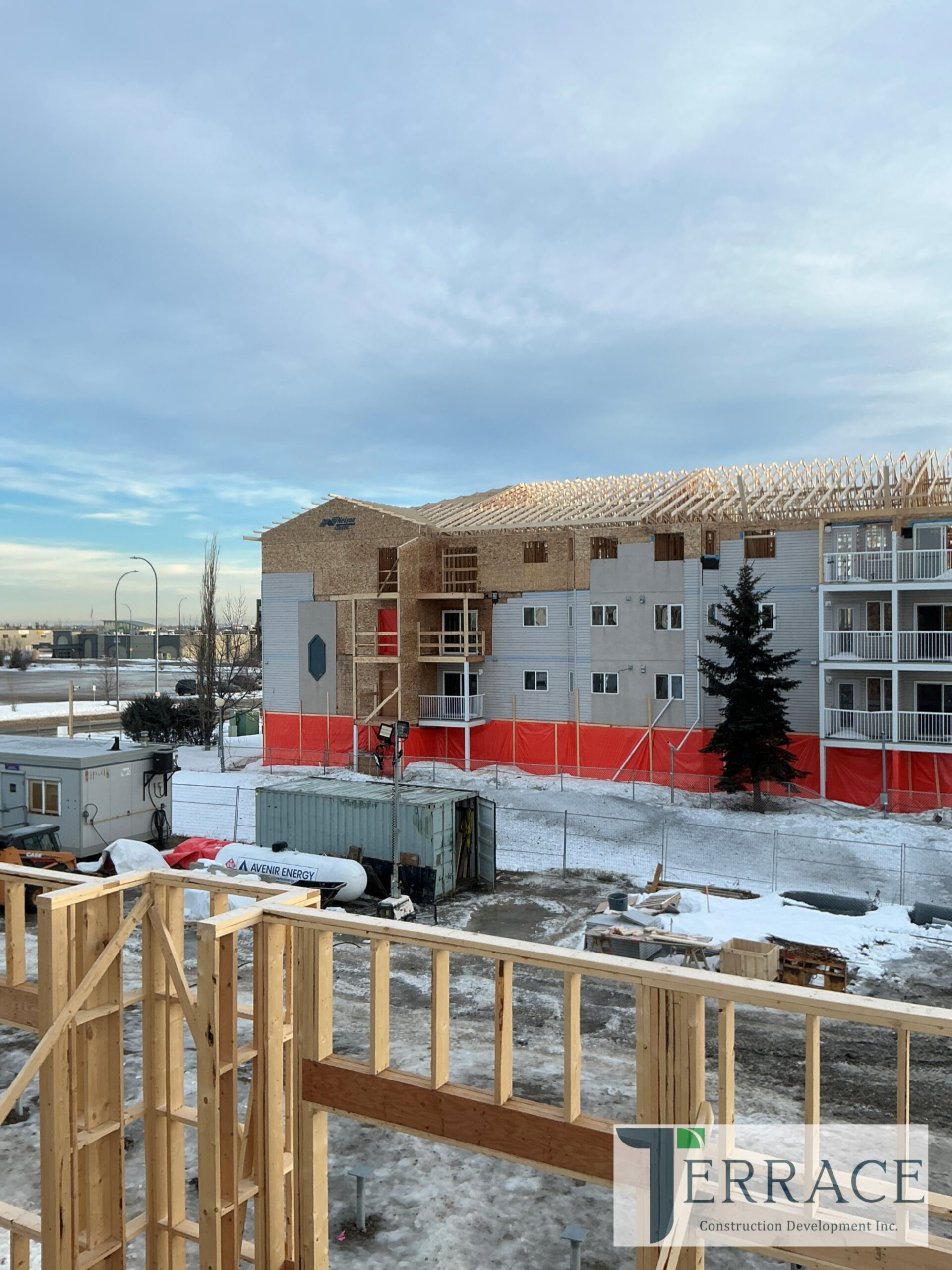
Margaret Edgson Manor Rebuild

Scroll to Top